
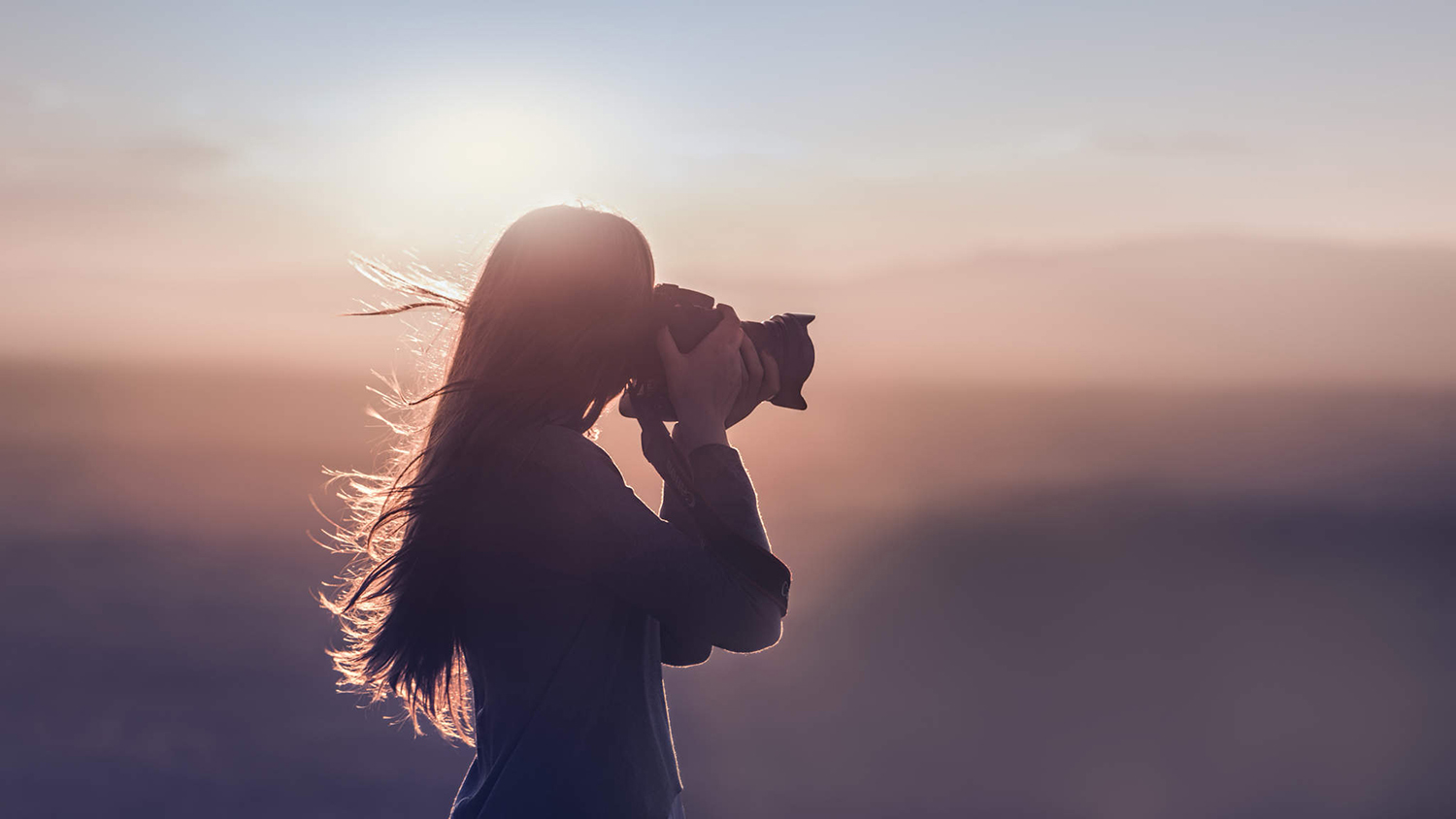
Introduction
Photography is more than just a hobby or a profession; it is an art form that allows individuals to capture moments, tell stories, and preserve memories. From the early days of film cameras to modern digital technology, photography has evolved significantly, providing enthusiasts and professionals with endless creative possibilities. Whether you are a beginner exploring the basics or a professional looking to refine your craft, understanding the techniques, styles, and tools of photography is essential for creating compelling images.
History of Photography
The history of photography dates back to the early 19th century when Joseph Nicéphore Niépce created the first permanent photograph using a process called heliography in 1826. Following this, Louis Daguerre introduced the daguerreotype, making photography more accessible and practical. Over time, film cameras became mainstream, and innovations such as color film and instant photography revolutionized the industry. The digital era, beginning in the late 20th century, transformed photography completely, offering photographers instant image previews, high-resolution captures, and advanced editing capabilities.
Types and Styles of Photography
Portrait Photography
Portrait photography focuses on capturing the personality and essence of a person or group. Lighting, composition, and posing play a crucial role in making portraits impactful. Studio lighting setups or natural light can both be used creatively depending on the mood and style desired.
Landscape Photography
Landscape photography captures the beauty of natural environments, including mountains, forests, beaches, and urban landscapes. Photographers often utilize wide-angle lenses to convey depth and scale. Golden hours—shortly after sunrise or before sunset—are considered ideal for soft, warm lighting.
Street Photography
Street photography highlights everyday life, capturing candid moments in public spaces. The goal is often storytelling, documenting human interactions, culture, and social environments. Photographers must be observant, quick, and respectful while shooting in public areas.
Wildlife Photography
Wildlife photography requires patience, skill, and specialized equipment to photograph animals in their natural habitat. Long telephoto lenses, camouflage, and knowledge of animal behavior are critical for successful wildlife photography.
Macro Photography
Macro photography focuses on extreme close-ups of small subjects, revealing details invisible to the naked eye. Flowers, insects, and textures are common subjects. Specialized macro lenses and controlled lighting help achieve sharp and captivating results.
Event Photography
Event photography covers weddings, concerts, corporate events, and parties. This style demands flexibility, adaptability, and the ability to capture spontaneous moments. Professional event photographers must manage lighting, angles, and composition efficiently under dynamic conditions.
Photography Equipment
Camera Types
- DSLR Cameras: Known for versatility, interchangeable lenses, and high image quality. Ideal for both beginners and professionals.
- Mirrorless Cameras: Compact and lightweight, mirrorless cameras offer high performance and rapid shooting capabilities.
- Point-and-Shoot Cameras: Convenient for casual photography, offering simple controls and portability.
- Smartphone Cameras: With advancements in technology, smartphones now provide powerful cameras capable of producing professional-quality images.
Lenses
Lenses significantly impact image quality and style. Common types include:
- Prime Lenses: Fixed focal length, excellent for low-light conditions and sharpness.
- Zoom Lenses: Variable focal length, suitable for flexibility in framing shots.
- Wide-Angle Lenses: Capture expansive scenes, perfect for landscapes and architecture.
- Telephoto Lenses: Ideal for distant subjects, common in wildlife and sports photography.
- Macro Lenses: Specialized for extreme close-ups and capturing intricate details.
Accessories
Essential photography accessories include tripods, filters, lighting equipment, memory cards, camera bags, and cleaning kits. Each accessory enhances stability, image quality, and convenience during shoots.
Photography Techniques
Composition
Composition refers to arranging elements within the frame to create visually appealing images. Techniques like the rule of thirds, leading lines, framing, and symmetry help guide the viewer’s eye and enhance storytelling.
Lighting
Lighting is one of the most critical aspects of photography. Natural light, studio lights, and artificial lighting techniques all contribute to the mood and depth of an image. Photographers often experiment with shadows, reflections, and color temperature to achieve the desired effect.
Exposure Settings
Understanding exposure is crucial for controlling brightness and image quality. The three fundamental settings are:
- Aperture (f-stop): Controls the depth of field and amount of light entering the lens.
- Shutter Speed: Determines motion capture or blur.
- ISO: Adjusts sensor sensitivity to light, affecting brightness and noise.
Post-Processing
Post-processing enhances images using software like Adobe Photoshop or Lightroom. Adjustments may include color correction, cropping, retouching, and adding creative effects. Ethical use of editing tools ensures the authenticity of images while improving visual appeal.
Tips for Beginners
- Master Your Camera: Learn every feature and mode of your camera to maximize potential.
- Practice Consistently: Regular shooting helps develop a personal style and improves technical skills.
- Understand Light: Experiment with natural and artificial lighting to see its impact on photos.
- Experiment with Angles: Explore different perspectives to create unique compositions.
- Focus on Storytelling: Capturing emotion or a narrative often makes images more memorable.
- Invest in Essential Equipment: Prioritize quality lenses and lighting over multiple gadgets.
- Learn Post-Processing: Enhance your images without over-editing.
Advanced Photography Concepts
Long Exposure Photography
Long exposure photography captures movement over time, creating dramatic effects with light trails, waterfalls, or night skies. A tripod is essential for stability, and shutter speed must be carefully controlled.
HDR Photography
High Dynamic Range (HDR) photography combines multiple exposures of the same scene to capture details in both shadows and highlights. HDR techniques are useful for landscapes and architectural photography.
Astrophotography
Astrophotography involves capturing celestial objects like stars, planets, and galaxies. It requires specialized equipment, long exposure settings, and a deep understanding of night sky conditions.
Drone Photography
Drone photography provides aerial perspectives that were previously difficult to achieve. Drones offer unique viewpoints, making them popular in landscape, real estate, and event photography.
Benefits of Photography
- Creative Expression: Photography allows individuals to showcase creativity and share their unique vision.
- Memory Preservation: Captures moments and milestones for lasting memories.
- Career Opportunities: Photography opens doors to professions like photojournalism, commercial photography, and social media content creation.
- Therapeutic Effects: Engaging in photography can reduce stress and enhance mindfulness.
- Global Communication: Photographs transcend language barriers, connecting people worldwide.
Conclusion
Photography is a dynamic and ever-evolving art form that blends technical skill with creative vision. Whether capturing landscapes, portraits, or wildlife, photographers have the power to tell stories and evoke emotions through their lens. By understanding equipment, techniques, and composition, anyone can develop their skills and create impactful images. With dedication and practice, photography becomes not only a skill but also a way to explore the world and express oneself artistically.
FAQ Section
1. What is the best camera for beginners in photography?
For beginners, DSLR and mirrorless cameras are ideal due to their versatility, easy-to-understand controls, and high-quality output. Popular models include Canon EOS Rebel series and Sony Alpha series.
2. How can I improve my photography skills quickly?
Practice consistently, study photography tutorials, analyze professional work, experiment with lighting and composition, and seek constructive feedback.
3. What is the difference between a prime and a zoom lens?
A prime lens has a fixed focal length, offering sharper images and better low-light performance. A zoom lens provides variable focal lengths, offering flexibility in framing shots.
4. Can I do professional photography with a smartphone?
Yes, modern smartphones have advanced cameras capable of professional-quality images. Pairing them with accessories like tripods, lenses, and editing apps can enhance results.
5. What is the role of lighting in photography?
Lighting affects the mood, depth, and clarity of an image. Understanding how to manipulate natural and artificial light is essential for professional-quality photos.
6. Is post-processing necessary in photography?
Post-processing is not mandatory but enhances image quality, corrects imperfections, and allows creative adjustments. Proper editing can significantly elevate the visual impact of photographs.
7. How do I find my unique photography style?
Experiment with different subjects, techniques, and compositions. Observe your preferences in framing, color, and storytelling, and refine your approach over time to develop a distinctive style.